Our Approach to Small Animal Care

ExoticVets was established to address the shortage of veterinary specialists for small exotic animals. Our team has developed methods for handling and examining rodents and birds that minimise stress. We offer structured consultations where owners can discuss behaviours, diet, and habitat. Laboratory analyses are performed using equipment adapted for small sample sizes. Dental procedures are conducted following protocols tailored to each species. Every appointment follows a defined process to ensure thorough assessment. We do not offer general veterinary services; our focus remains on the specific requirements of these animals. Owners are encouraged to prepare questions in advance. The clinic environment is designed to limit external stimuli, which helps maintain a calm atmosphere during visits.

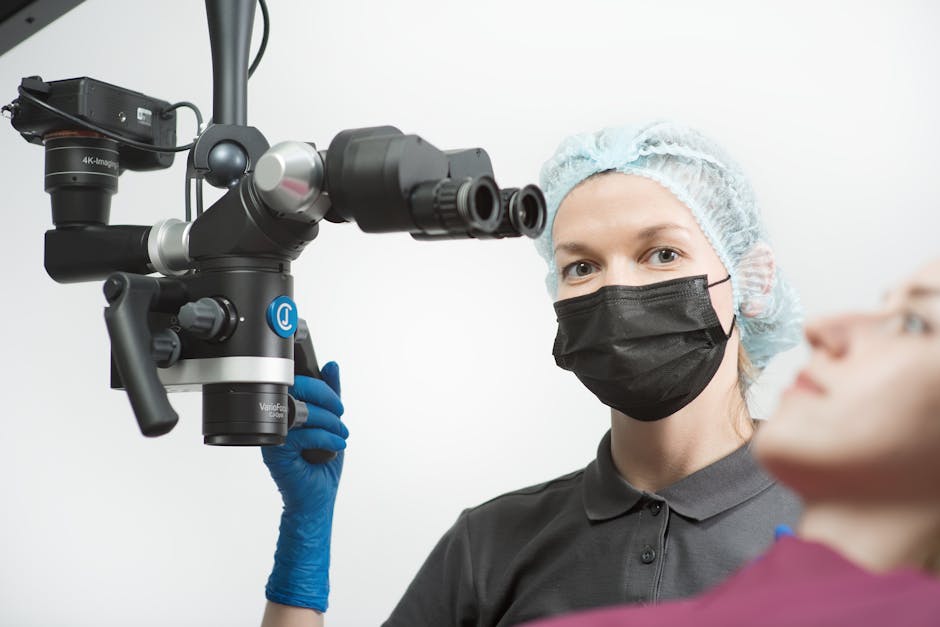
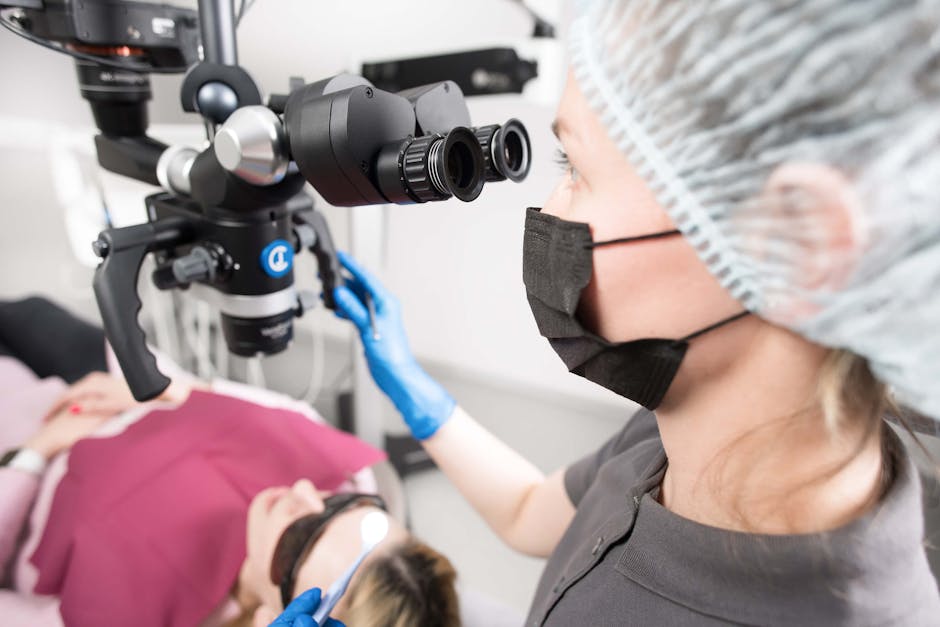
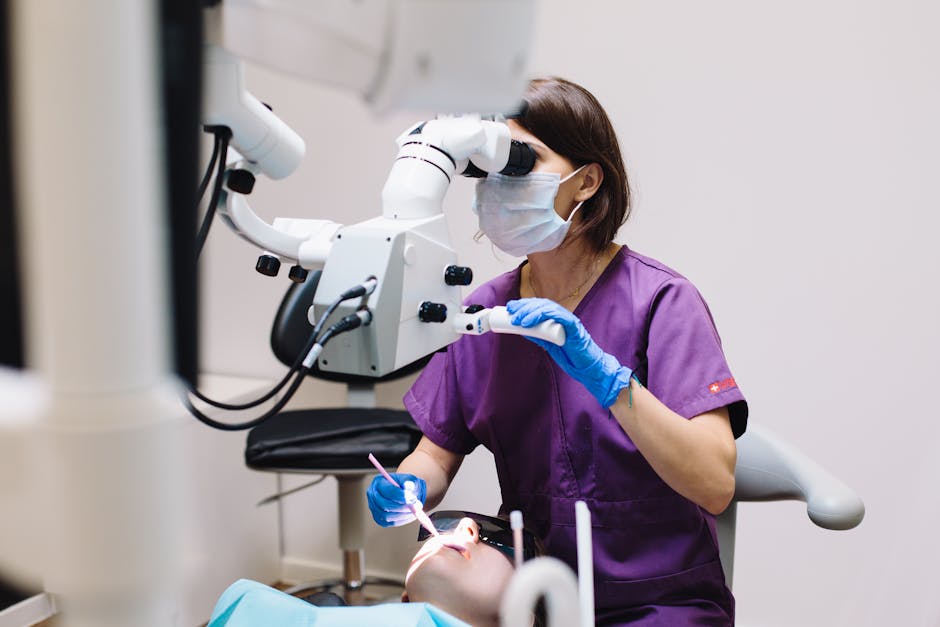
Female dentist using a microscope and modern technology during a patient examination in a dental clinic.

Why Specialised Knowledge Matters

Rodents and birds have unique anatomical and physiological characteristics that differ significantly from cats or dogs. General practitioners may not be familiar with the specific indicators of health issues in these species. A specialised approach involves understanding species‑specific behaviours, dietary requirements, and common conditions. At ExoticVets, the diagnostic and treatment frameworks are built around these distinct needs. This structure provides a foundation for informed decision‑making during consultations.

Key Areas of Focus

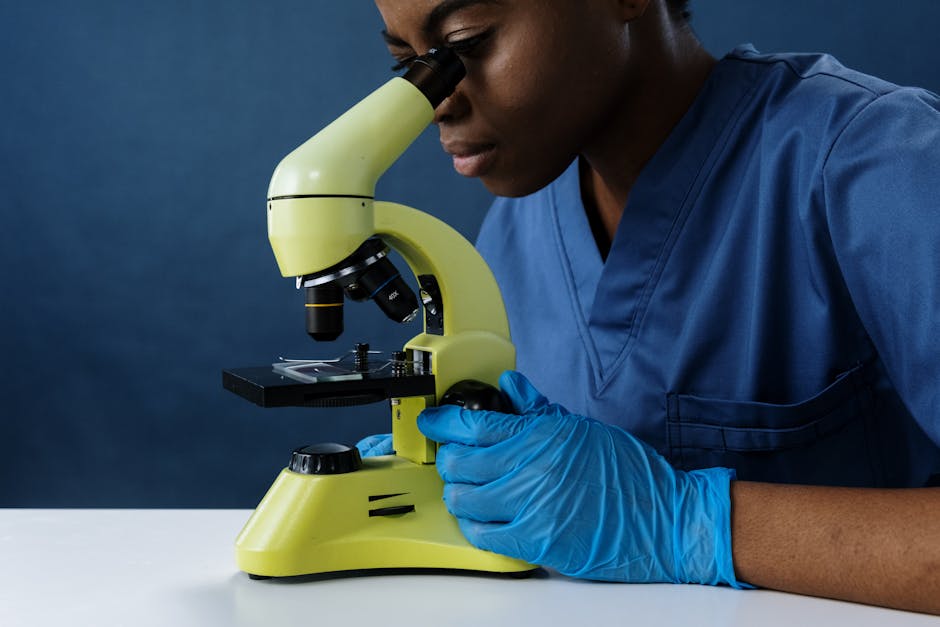
Scientist in scrubs using a microscope in a lab setting.

What Our Clients Say

Our Diagnostic Capabilities

ExoticVets offers a range of diagnostic procedures designed for the limited sample sizes typical of small animals. Our laboratory is equipped to perform haematology, biochemistry, and microbiological analyses. For birds, we provide swab testing and endoscopy when indicated. Faecal examinations help identify parasitic or bacterial imbalances. Imaging techniques such as radiography are available for skeletal and soft tissue assessment. Each test is selected based on clinical signs and species-specific reference ranges. Results are interpreted within the context of the animal's history and behaviour. This methodical approach supports informed discussions between the veterinarian and the owner regarding next steps.

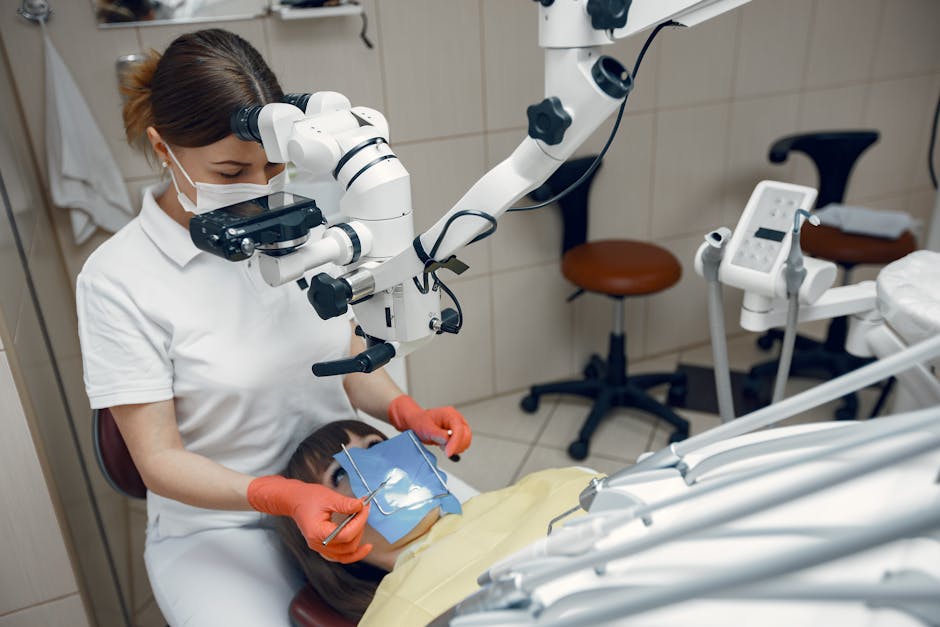
A dentist wearing protective gear examines a patient with a high-tech microscope.

Understanding the Unique Needs of Small Pets

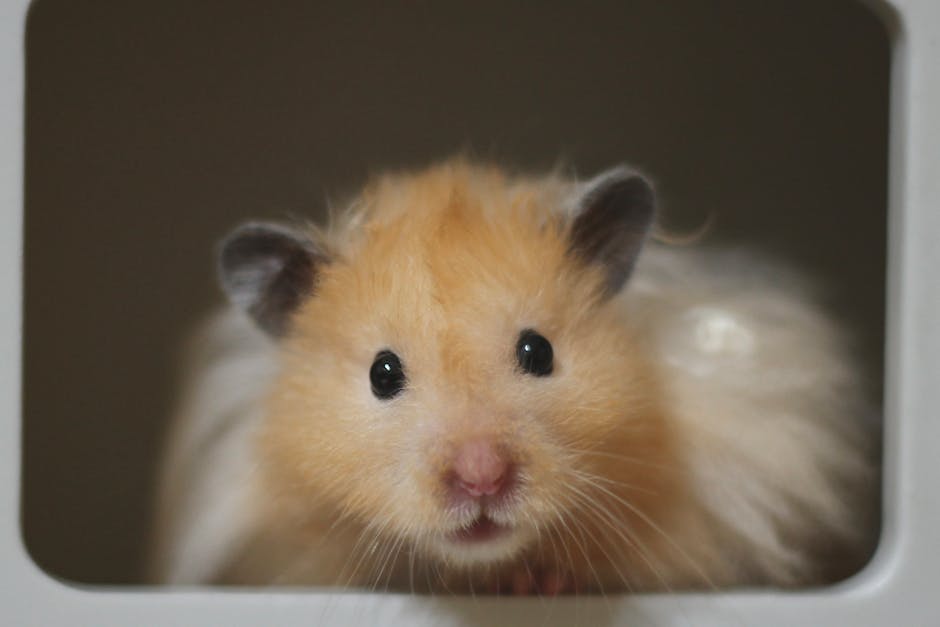
Rodents and birds belong to fundamentally different animal classes, yet both are often categorised as 'small pets' in a general veterinary setting. Rodents are mammals with continuously growing incisors, which makes dental health a recurring topic. Birds have a unique respiratory system and require careful handling to avoid injury. Nutrition plays a central role for both: rodents need fibre‑rich diets, while birds require varied seeds, pellets, and fresh produce. Environmental enrichment also influences their wellbeing. At ExoticVets, consultations include a review of the animal's living conditions and daily routines. Owners are given structured information about habitat setup, feeding schedules, and behavioural cues. This comprehensive overview helps identify areas that might affect the animal's health. The goal is to equip owners with knowledge that aligns with the specific biology of their pet.
Benefits of a Structured Consultation

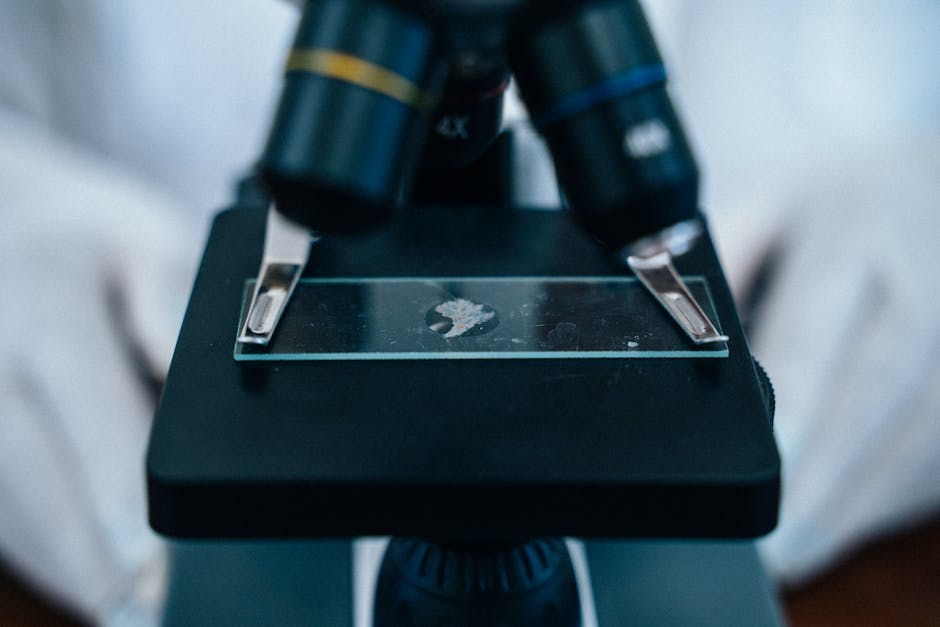
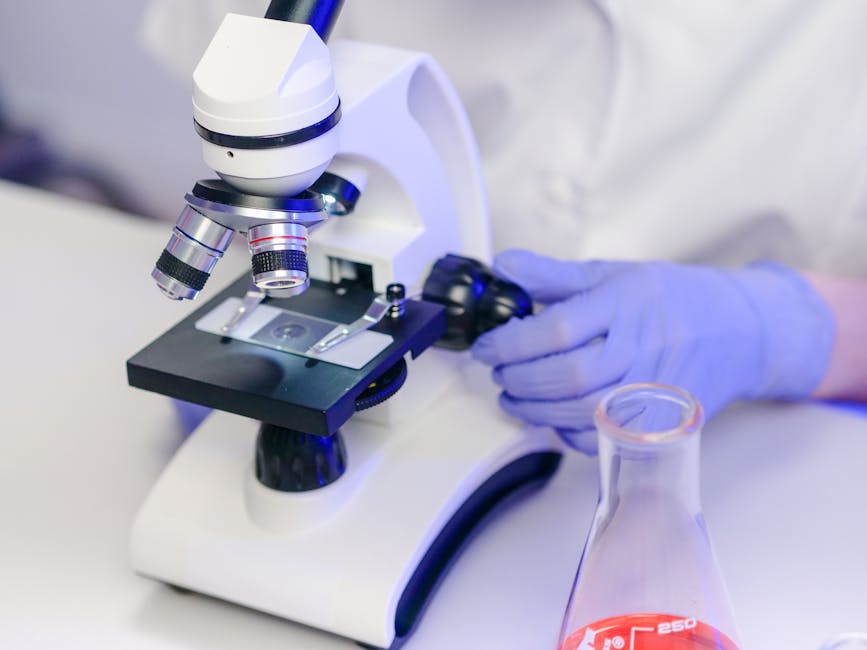
Detailed shot of a microscope eyepiece with a slide, ideal for scientific and research themes.
  • Pre‑Visit Questionnaire

    Owners receive a form to detail symptoms, diet, and behaviour before the appointment.

  • Dedicated Appointment Time

    Each slot is reserved exclusively for one patient to reduce waiting and distractions.

  • Calm Clinic Environment

    The waiting area and examination rooms are designed to minimise noise and visual stress.

  • Follow‑Up Guidance

    After the visit, a summary of recommendations is provided along with contact options for further questions.

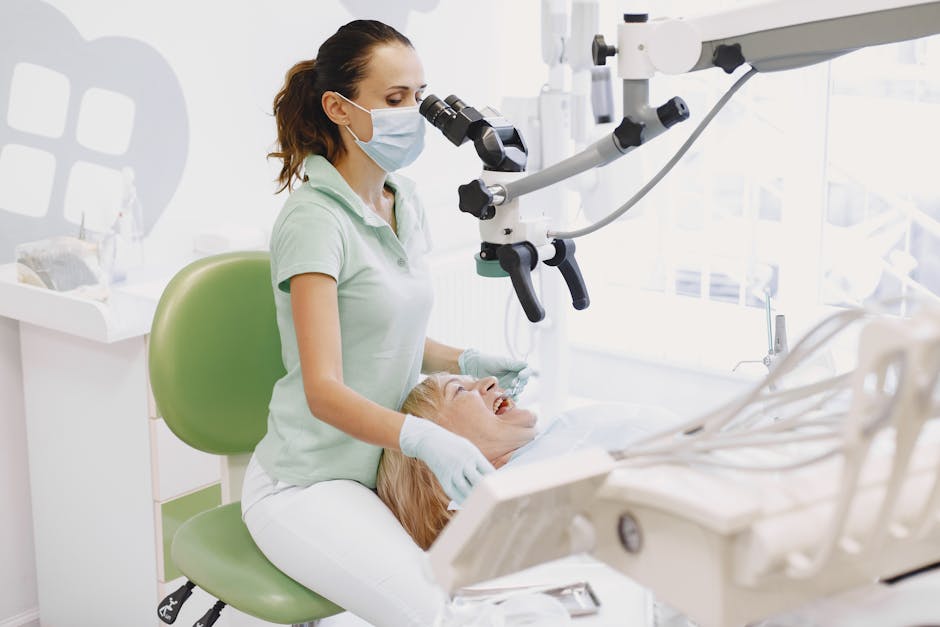
These images show the dedicated spaces where consultations, diagnostics, and procedures take place. The clinic is arranged to support a calm experience for both the animal and the owner. Equipment is adapted for small animal use, and each room is prepared according to the species being seen.

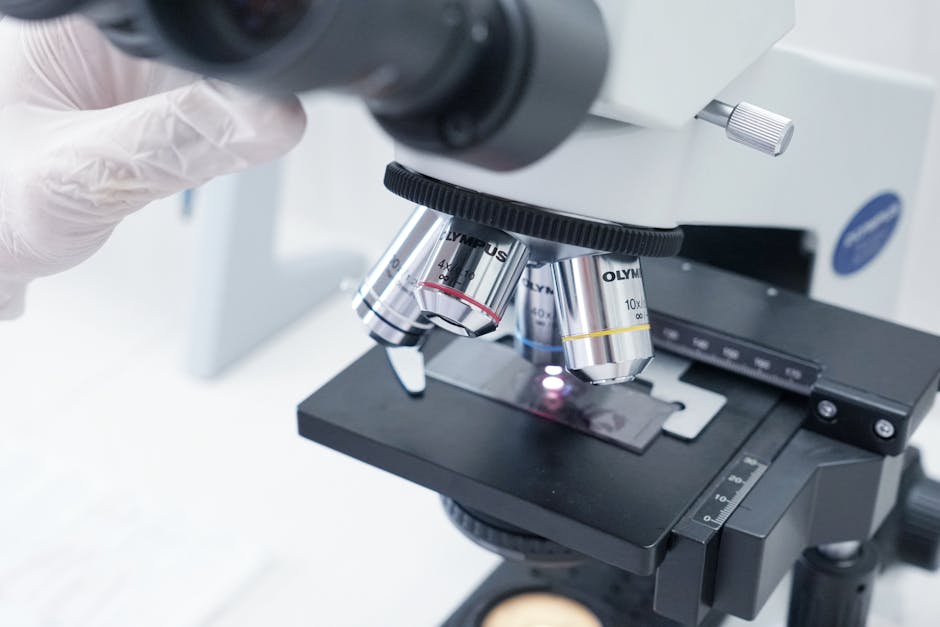
Detailed view of a microscope in a laboratory used in scientific research.
Dentist in clinic with microscope treating patient, Kyiv, Ukraine.
Scientist examining samples through a microscope in a modern laboratory setting.
Dentist using advanced microscope for precise dental treatment in clinic.

The Role of Preventative Care

Scheduled health examinations allow for baseline measurements of weight, body condition, and dental status. Over time, these records can indicate trends that might require attention. Adjustments to diet or environment are discussed where applicable. Owners are informed about common seasonal or age‑related considerations. This structured approach does not guarantee avoidance of illness but provides a reference framework for ongoing care.

Dentist performing an examination using a microscope in a bright dental clinic.

Dental Care for Rodents and Birds

Dental problems are among the most frequent health issues in rodents and lagomorphs. At ExoticVets, dental assessments are performed using specialised instruments designed for small oral cavities. Common procedures include trimming overgrown incisors, smoothing sharp points, and extracting damaged teeth. For birds, beak trimming and treatment of oral lesions are available under appropriate restraint. Each procedure is preceded by a thorough examination and discussion of the owner's observations. Anaesthesia options are considered based on species and procedure complexity. Post‑operative instructions are provided to support recovery in the home environment.

Your Visit: Step by Step

  • 01

    Booking

    Contact us to schedule an appointment. We will confirm a suitable time slot.

  • 02

    Preparation

    Complete the pre‑visit questionnaire and gather any relevant medical history.

  • 03

    Consultation

    The veterinarian will examine your pet and discuss findings and recommendations.

  • 04

    Follow‑Up

    Receive a written summary and contact details for any future questions.

Frequently Asked Questions

  • What types of rodents do you treat?
    We treat hamsters, guinea pigs, rats, mice, gerbils, and chinchillas. Each species has specific care protocols.
  • Do you accept birds that require emergency care?
    We focus on scheduled appointments. For urgent situations, please contact us to discuss availability.
  • How long does a consultation usually take?
    Initial consultations are typically 30 to 45 minutes, allowing time for examination and discussion.
  • Can I stay with my pet during the examination?
    Owners are welcome to remain in the room. We find it helps reduce the animal's stress.
  • What should I bring to the appointment?
    Bring any previous veterinary records, a list of questions, and a fresh faecal sample if possible.

Continuous Learning and Adaptation

Veterinary knowledge about exotic animals evolves steadily. ExoticVets regularly reviews current literature and adjusts its protocols accordingly. Participation in professional networks helps incorporate new findings into daily practice. Owners are kept informed of any relevant updates that may affect the care of their pets. This approach ensures that the clinic's methods remain aligned with the latest understanding of species‑specific medicine.

Building a Partnership with Owners

ExoticVets views the relationship with each owner as a partnership. During consultations, time is allocated for listening to the owner's observations and concerns. Visual aids and written summaries help convey complex information in a clear manner. Owners are encouraged to ask questions and to contact the clinic if uncertainties arise after the visit. This collaborative framework supports consistent care between appointments. By sharing observations and following up, owners contribute valuable data that informs subsequent decisions. The aim is to create an environment where information flows in both directions, benefiting the animal's overall wellbeing.

Close-up of a scientist examining slides in a modern lab.

After Your Appointment

  • 01

    Review Notes

    Read through the written summary and check for any medication or care instructions.

  • 02

    Monitor Your Pet

    Observe your pet's behaviour and note any changes that might need reporting.

  • 03

    Contact Us

    If you have questions or concerns, reach out via phone or email.

  • 04

    Schedule Next Visit

    Book a follow‑up if recommended or when you feel a check‑up is needed.

Get in Touch

We welcome enquiries about our services and availability. Please fill out the form below, and we will respond during office hours.

Request an Appointment

Get in Touch

We welcome enquiries about our services and availability. Please fill out the form below, and we will respond during office hours.

We use cookies

We use cookies to ensure the proper functioning of the website, analyze traffic, and improve your experience. You can accept all cookies or reject them — the site will continue to operate. For more details, read our Cookie Policy.